1. Define the scope
The crew agrees with the owner on the area, the material and the goals. Questions about insurers, inspectors and timing are welcome at this stage.
Seward, NE · Seward County
Business and fleet managers in Seward call (877) 812-4220 to clear hazardous spills and clean affected equipment. Crews wear protective gear, document the work and keep the job as orderly as possible.
If anyone is in danger, call 911 first. For a suicide crisis, call or text 988.
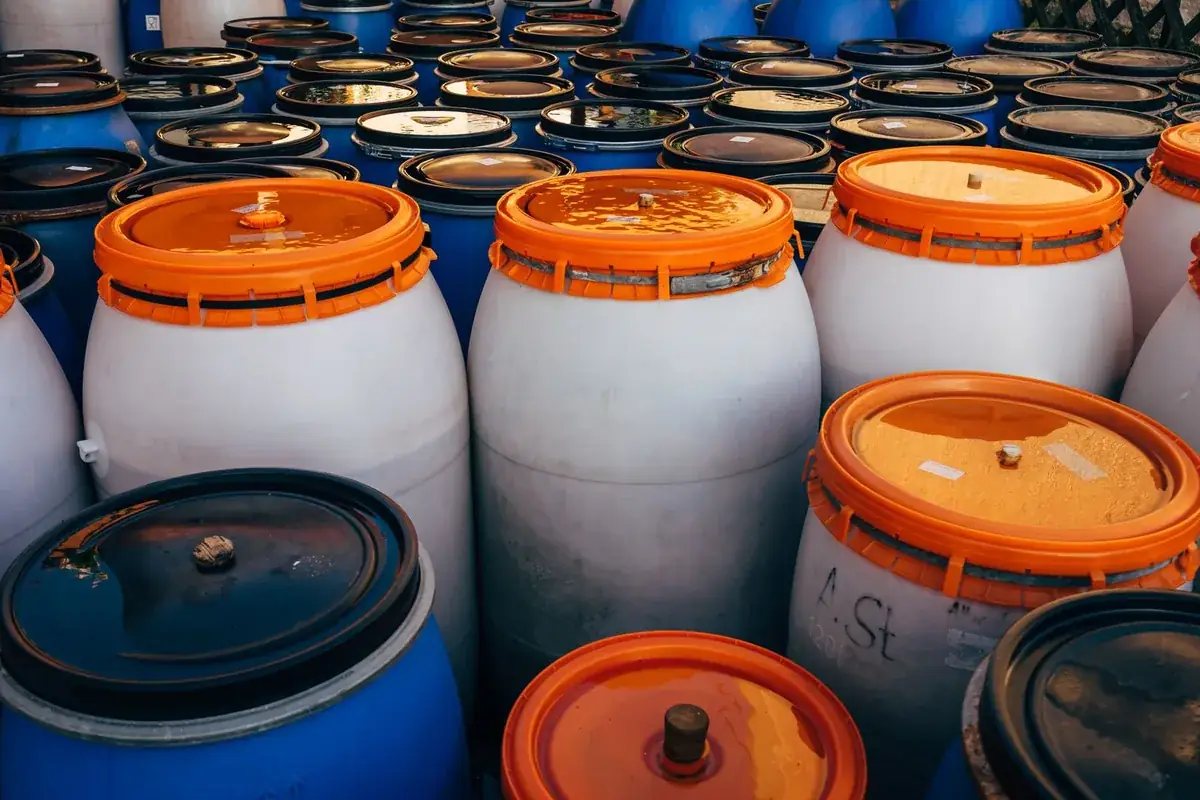
Hazmat cleaning is the use of protective gear, containment barriers, absorbents and suitable products to remove a hazardous material from surfaces, soil or equipment. The method depends on what the material is.
Get free of the mess after a leak, accident or abandoned container in Seward, NE. For hazmat remediation in Seward County, call Seward Biohazard Cleanup Help. Keep people and pets away from your work zone, and never mix products.
Seward County has a Very Low river flood risk rating from FEMA, but a leak near a ditch or storm drain can still carry hazardous materials off a property. After a hazardous release in Seward, anyone with symptoms may be taken to Memorial Health Care Systems in Seward, while a cleanup team works on the site.
A typical hazmat cleanup job includes:
The crew agrees with the owner on the area, the material and the goals. Questions about insurers, inspectors and timing are welcome at this stage.
The team checks labels, placards, safety data sheets and the history of the site. If the substance is unknown, it is treated as hazardous until identified.
Stained concrete, soaked soil and contaminated surfaces are cleaned or removed. Tools are decontaminated or disposed of after use.
Waste is packed and taken away. A last check of the area ends with a plain explanation of the work and the paperwork.
Hazmat cleanup in Seward, NE typically costs $4,000 to $40,000, depending on the size of the affected area and the materials involved.
Insurance may help in some cases. Some policies cover sudden spills, and many exclude pollution or long-term leaks, so call the insurer before work starts and keep every receipt.
| Type of job | Typical range |
|---|---|
| Initial cleanup and containment | $6 - $20 per square foot |
| Small to mid-size spaces | $4,000 - $40,000 |
These ranges come from published cost guides (One and Done Prep) and are not a quote for Seward. Price drivers include type of contaminant, square footage, containment setup, waste disposal. For a real number, call (877) 812-4220.
Yes. Floods and fires can break containers and mix contents. Crews identify what spilled, contain it and remove damaged containers and soaked materials. They also clean the surfaces the release touched.
Do not open, move or smell them. Keep people and pets away and take photos from a safe distance. You can get a cleanup team to identify the contents, sort them by hazard and set up lawful disposal.
Ask what training the crew has, how waste is managed and what records you get. Request references and a clear description of the steps. Then decide whether the company fits your site.
Some do, but the work is different. Biohazard cleanup deals with blood and germs, while hazmat deals with harmful substances. Ask whether a team has the gear and procedures for the specific material before hiring it.
It depends on the policy. Some cover sudden spills, and many exclude pollution or long-term leaks. Read your policy and call the insurance company before cleanup starts, then take photos from a safe spot and keep every receipt.
Biohazard usually means materials that carry germs, such as blood and body fluids. Hazmat means materials that are dangerous in other ways, such as chemicals, fuels and gases. Some jobs involve both. A local team can explain which applies to your situation.
Questions about insurance, records or timing are welcome.
Call (877) 812-4220